Silver Bullion vs Silver ETFs

Key Takeaways
- Physical silver gives you control and privacy, but comes with premiums and storage headaches. It's my go-to for a proper crisis hedge.
- Silver ETFs make trading easy and cheap, but you're trusting layers of institutions—something I’m still wary of, lah.
- Costs add up in sneaky ways. Don't just look at headline fees, think about long-term ownership and your own peace of mind.
- In Singapore, GST exemption for investment-grade silver tilts the scales in favour of physical. That 9% extra is no joke!
- Most investors I meet end up mixing both. Silver coins in the safe, ETFs for quick moves—best of both worlds.
Quick Comparison
Let’s throw the facts onto the table. Here’s how physical silver and ETFs actually stack up:
| Factor | Physical Silver | Silver ETFs |
|---|---|---|
| Ownership | Actual metal in your hands | Shares in a trust |
| Storage | Your problem—home or vault | Fund’s problem |
| Premium/Costs | 5-15% premium + storage | 0.4-0.6% expense ratio yearly |
| Liquidity | Decent—sell to dealers | Excellent—trade anytime |
| Counterparty Risk | None (unless you lose it!) | Fund custodian + paper risk |
| Divisibility | Limited by bar/coin size | Far more flexible |
| Privacy | High (if you buy smart) | Low (broker records everything) |
For those newer to the scene, I’d suggest checking my What Is Silver Bullion? page if you need a refresher on what counts as physical silver in Singapore.
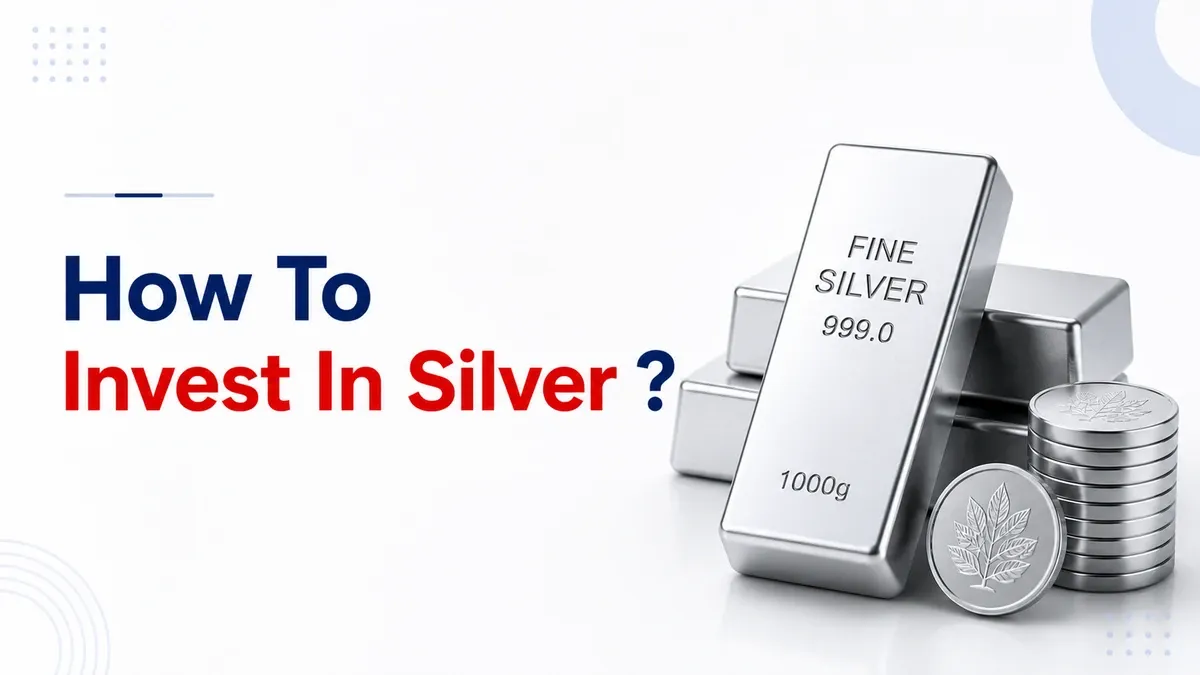
Physical Silver Bullion: Ownership in Your Hands
I’ll be honest—there’s nothing quite like holding a kilo bar or even a few ounces of silver in your palm. Call me old-school, but real metal just hits different. For many of us, physical bullion isn’t just an investment. It’s a store of wealth you can stash at home (or a vault), free from the digital world’s chaos.
Tangible Upsides
- •True Ownership: No one can block, freeze, or "hack" your bar of silver.
- •Zero Counterparty Risk: Markets crash? Fund managers go bust? You still have your metal.
- •Privacy: Buy with cash at the right Singapore bullion dealers and you keep things discreet.
- •Crisis Protection: If banks go haywire, your silver’s still there. Try doing the same with a digital ETF!
- •GST-Exempt for IPM: If you buy LBMA good delivery bars or coins here, you skip Singapore's 9% GST—makes a huge difference. See the IRAS GST guide for precious metals/specific-business-sectors/precious-metals) for full details.
Don't just take my word—Benefits Of Investing In Silver Bullion covers other perks you might not have considered.
What’s the Catch?
Physical isn't perfect. You pay a premium above spot price—5% if you’re lucky, 15% if you want the fancy coins. Selling? Most dealers will offer you a little below spot. And unless you’re stuffing coins under your mattress (not my style, thanks), you’ll need proper storage—vaults aren’t free. Here’s a breakdown:
| Cost Type | Amount |
|---|---|
| Purchase Premium | 5–15% over spot |
| Selling Spread | 2–5% below spot |
| Storage (vault) | 0.5–1% per year |
| Home Storage | One-time safe cost |
Honestly, I find the costs worth it for true ownership, especially as part of a long-term ‘sleep well at night’ portfolio.
Silver ETFs: All About Convenience
Not all of us can (or want to) lug bars to the vault every few months. Silver ETFs are a game-changer for hands-off investors, and I won’t pretend I don’t keep a small portion of my silver stash in ETFs for easy access.
How Do They Work?
You buy ETF shares on a stock exchange, and (at least in theory) each share is backed by real silver sitting in a vault somewhere—usually a big name like JPMorgan or HSBC. Here are the main players:
| ETF | Ticker | Expense Ratio | Backing |
|---|---|---|---|
| iShares Silver Trust | SLV | 0.50% | Physical silver |
| Aberdeen Silver ETF | SIVR | 0.30% | Physical silver |
| Sprott Physical Silver | PSLV | 0.62% | Physical, redeemable* |
*PSLV lets you redeem for real bars if you own enough, but it's a hassle—don’t count on it in Singapore.
Pros and Cons in Plain English
- •Easy Trading: Buy or sell in seconds, as little as one share.
- •Lower Entry: Got S$100? You’re in—no need for a kilo bar.
- •No Storage Worries: The fund sorts it out, not you.
- •Recurring Fees: Expense ratios usually 0.3–0.6% per year. Cheaper on paper, but you never get the silver yourself.
- •Counterparty Risks: You’re betting the manager, custodian, and legal structure all keep their word. In normal times, fine. In crises, who knows?
- •No Physical Access: Even if you “own” silver on paper, you can’t withdraw a coin for your kid’s birthday.
If you prefer ETFs, read up on their structure—the World Gold Council has good breakdowns on how precious metal funds work (applies to silver too).
Comparing Costs: Bullion vs ETF Over Time
Plenty of people point at ETF low fees and call it a day. But run the maths for a decade and the picture changes, especially for larger sums. Here’s what I mean, based on a S$10,000 investment:
| Period | Physical Silver (all-in) | ETF (all-in) |
|---|---|---|
| Year 1 | 8% premium + 0.5% storage = 8.5% | 0.5% expense = 0.5% |
| Year 5 | 8% + (0.5% × 5) = 10.5% | 0.5% × 5 = 2.5% |
| Year 10 | 8% + (0.5% × 10) = 13% | 0.5% × 10 = 5% |
Yes, ETFs stay cheaper on raw cost, but physical silver gives you actual custody and freedom from institutional games. For me, that’s often worth a few percent, especially given no counterparty risk. For longer timeframes or bigger positions, I always lean toward bullion.
When Physical Shines, When ETFs Win
After a decade in the game, here’s when I’d go physical, and when I’d fire up my brokerage for ETFs instead:
Physical silver is best if: - You’re holding 10+ years and want to pass some to the next generation. - You don’t trust Wall Street or fund managers, or you just prefer real assets (count me in!). - You’re a Singaporean who wants to maximise the GST and CGT edge. - You want to sleep well in a financial crisis—nothing beats holding coins and bars when banks look shaky. - You care about privacy—physical precious metals leave no paper trail if bought right. Silver ETFs are ideal for: - Active traders or those who want to “dip in, dip out” quickly. - Small, regular investments (dollar cost averaging without huge premiums). - Portfolios where you want precious metals exposure in tax-sheltered accounts (like IRAs abroad). - Folks who can’t be bothered about storage or insurance—just want simple exposure.If you’re also comparing gold, my thoughts on Gold Bullion vs Gold ETFs might be helpful too.
Hybrid Strategy: The Best of Both Worlds?
Look, most of us don’t live at the extremes. I have a simple framework: keep the core in physical, play around the edges with ETFs. This isn’t just theory—I’ve done it for years. Here’s roughly the kind of split I see work:
| Portfolio Component | Allocation | Why |
|---|---|---|
| Physical Core | 60–70% | For long-term, crisis-proof wealth |
| ETF Trading Sleeve | 30–40% | For flexibility, rebalancing, taking profits |
If you’re starting out, buy your first silver coins from a trusted source—I usually recommend BullionStar (they’ve served me well; here’s my BullionStar affiliate link). Then, open a brokerage for ETF exposure when you want more liquidity.
Why Singapore Makes A Difference
Not going to sugarcoat it—being based in Singapore is a massive advantage for physical silver buyers. Here’s why:
- •GST-Exempt: Investment-grade silver (those LBMA bars and coins) are free from the 9% GST that would eat up your returns elsewhere. Just make sure you buy the proper IPM products—read the official IRAS GST guide/specific-business-sectors/precious-metals) if you’re unsure.
- •No Capital Gains Tax: If silver doubles, you keep every cent—no IRAS bill in the mail.
- •Secure Vaults: Few places on earth have storage facilities as safe as Singapore. I sleep easy knowing my bullion is guarded by professionals.
For more details on buying safely, check my guide Where Smart Investors Buy Silver Coins Safely. If you’re curious about options, or want to diversify, consider gold bullion or platinum bullion too.
Look, there’s no one-size-fits-all answer. But if you ask me (as many of you have), true wealth starts with physical, and ETFs are just the icing. Buy smart, store safe, and sleep well. That’s really it, lah.