Central Bank Gold Buying in 2026: What Singapore Investors Need to Know

Key Takeaways
- Central banks aren’t just nibbling—they’ve been buying more gold in the last three years than at any point in recent memory. That’s a massive tailwind for prices.
- Singapore’s becoming a serious gold trading hub, not just a safe place to stash bullion. MAS and SBMA are setting new standards and that benefits us as retail buyers.
- The so-called "structural price floor" set by central banks makes gold less likely to experience gut-wrenching crashes—even if traders panic.
- GST exemptions for investment-grade gold here mean we get a better deal than almost anywhere else in Asia.
- Don’t get overexcited—central banks are slow, patient buyers. We should be too.
The Scale of Central Bank Gold Buying in 2026
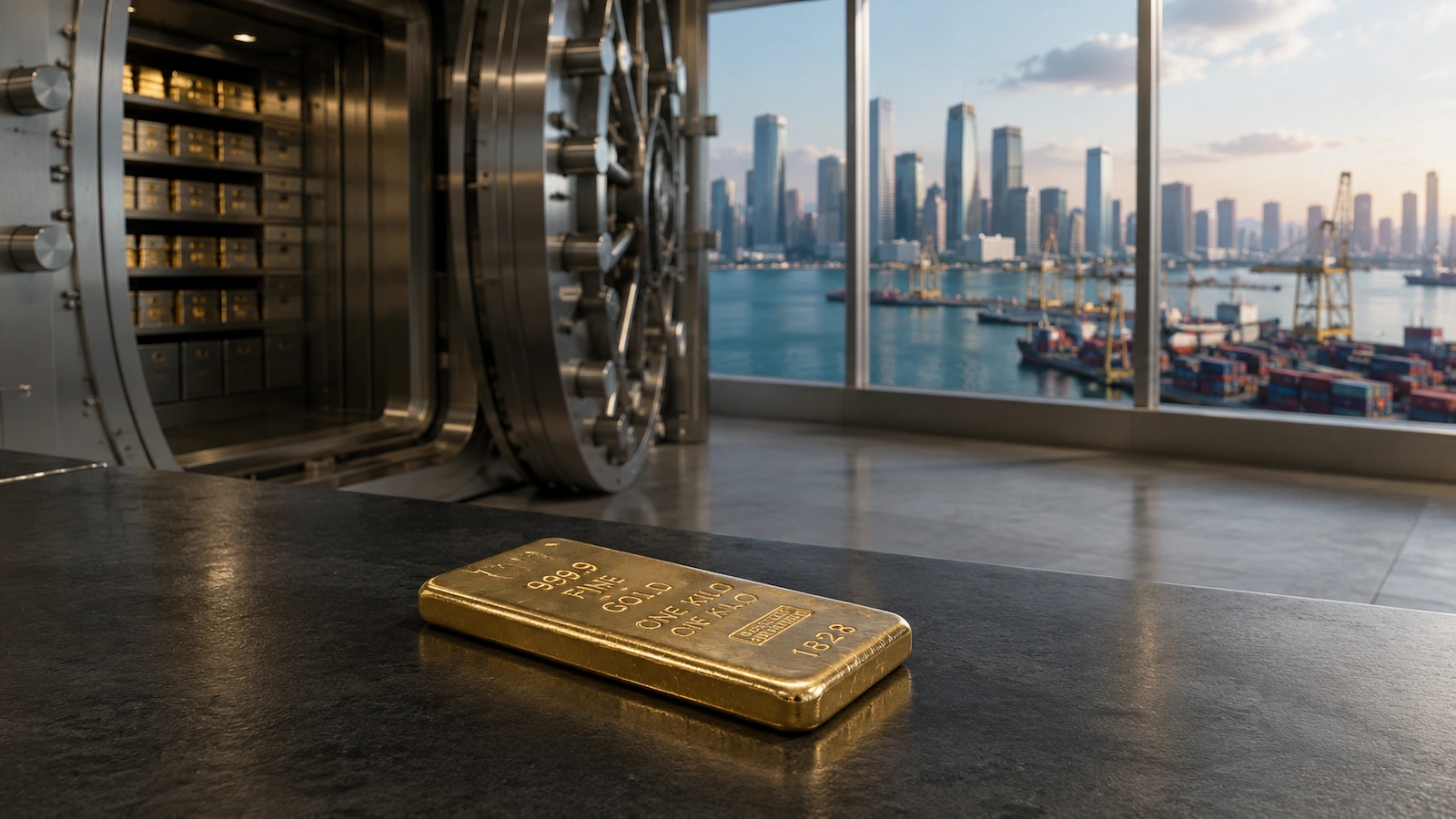
I’ve never seen anything quite like this—not even during the last gold mania. For three years straight, central banks have been hoovering up more than 1,000 tonnes of gold annually. That’s more than double the typical 400–500 tonnes you’d see in the years before 2022. For 2026, the World Gold Council expects purchases in the 750–850 tonne range. That’s still about 20% of annual mine supply—an absurd share when you consider that this demand isn’t flaky speculative money, but patient, institutional accumulation.
It’s no wonder spot prices have been so resilient, even as retail demand flips between bullish and bearish. If you’re investing from Singapore, understanding this big shift is crucial. Central banks are literally changing the supply/demand equation while we sleep.
Why Are Central Banks Buying So Much Gold?
Every time I chat with other gold fans at the Sunday coin meetups, this comes up. Why are central banks going so crazy for gold? There’s a few reasons, and all of them make sense once you see the bigger picture:
- •De-dollarisation: The Russia reserves freeze in 2022 was a wake-up call. Suddenly, every country not on America’s Christmas card list realised their dollars and euro reserves could be frozen in an instant. Gold in your own vault—cannot be sanctioned, cannot be seized. Simple as that.
- •Geopolitical drama: With US-China tensions, Middle East unpredictability, and new alliances forming faster than I can keep track, gold’s status as a “neutral” asset is shining. No issuer, no counterparty risk.
- •Inflation: Even central banks are worried about the devaluation of their own currencies. With real yields looking anemic, holding more gold is a logical (and defensive) move.
- •BRICS+ expansion: If you haven’t noticed, the BRICS club is now more than just Brazil, Russia, India, China, and South Africa. Saudi Arabia and the UAE are in the mix, and they’re keen to settle trade in something other than dollars—and they want more gold in their vaults as a backstop.
If you want a deeper dive into how central bank policies actually move gold and silver prices, check out my write-up: How Central Bank Policies Affect Gold and Silver Prices in 2026.
Key Buyers and Singapore’s Expanding Role
China’s People’s Bank has been the biggest elephant in the room, adding gold nearly every month for over a year. Official reserves are above 2,300 tonnes, but honestly, I think that’s a lowball. After May 2024, China stopped reporting new gold purchases. Most people I talk to reckon the real holdings are much higher—maybe double.
India, Turkey, and Poland are following similar playbooks, but what really excites me as a local investor is Singapore’s growing part in all this. MAS has boosted its own gold reserves, and, more importantly, is actively nurturing Singapore as the regional gold trading and storage hub. The Gold Market Development Working Group (co-chaired by MAS and SBMA with the likes of DBS and UOB) is laying out the foundations: new capital market products, proper vaulting standards, even a gold OTC clearing system.
That’s not just vanity. It means more institutional business flows through Singapore, better liquidity, and—hopefully—better bid/ask spreads for everyone here.
| Country | Official Gold Holdings* | 2025/26 Annual Purchases (est.) | Ongoing Reporting? |
|---|---|---|---|
| China | 2,300+ tonnes | 200+ tonnes | No (post-2024) |
| India | 800+ tonnes | 40–50 tonnes | Yes |
| Turkey | 700+ tonnes | 35–40 tonnes | Yes |
| Singapore | 230+ tonnes | 10–15 tonnes | Yes |
| Poland | 360+ tonnes | 15–20 tonnes | Yes |
*Actual holdings may be higher due to opaque reporting, especially for China.
How Central Bank Buying Supports Gold Prices
There’s something almost comforting about knowing the world’s biggest financial institutions are buying the same asset you’re stacking. Central banks aren’t out to flip their bullion for a quick trade. They set allocation targets, not price targets. So when the price dips, they’re more likely to buy extra rather than panic sell.
Analysts are calling this a “structural price floor.” By 2026, the consensus view is that gold’s new floor sits between USD 4,500 and USD 4,600 per ounce. I remember how brutal gold corrections felt in the 2010s, but now, those sharp 20–30% drawdowns seem much less likely. If you’re worried about getting trapped in a big correction, this persistent institutional demand gives you a serious buffer. That’s not something you get with, say, tech stocks lor.
For some context around price movements and what they mean for local buyers, see my deep dive: Gold Price Trends in 2026: What Singapore Investors Need to Know.
Practical Impacts for Singapore Investors
This isn’t just a global macro story. Central bank buying filters straight down to what we experience buying and selling here in Singapore:
- •Downside protection: With ongoing institutional demand, sharp price drops are rare and brief. That means, personally, I feel more comfortable holding for the long term—even if headlines get scary.
- •Rising floor, bullish outlook: If central banks keep buying 750–850 tonnes per year and mine supply isn’t growing, the bull case for gold just gets stronger.
- •Singapore as a gold hub: More liquidity, tighter spreads, and new ETFs like the LionGlobal Singapore Physical Gold ETF make it easier (and more affordable) to gain exposure.
- •GST-exempt gold: Thanks to Singapore’s IPM framework, investment-grade gold bars and coins (99.5% purity or better) are GST-free. That alone puts us ahead of almost every other Asian market. Want to double-check the qualifying criteria? The IRAS GST guide for precious metals/specific-business-sectors/precious-metals) has all the details.
And speaking of premiums, here’s what I’ve been seeing locally (as of June 2026):
| Product Type | Typical Premium Over Spot | GST (if any) | Liquidity | My Experience |
|---|---|---|---|---|
| Gold bars | 2–3% | GST-free | High | Reliable, best bang for buck |
| Gold coins | 4–6% | GST-free | Very High | Ideal for flexibility, slightly pricier |
| Silver bars | 7–10% | GST applies | Moderate | Good for bulk, but GST eats into returns |
| Platinum bars | 7–9% | GST applies | Moderate | Niche market here |
If you want to compare for yourself, I always recommend checking current listings at BullionStar before deciding.
What to Watch: Central Bank Signals in 2026
If you’re serious about tracking how these trends affect your stack, a few signals are worth your time:
- •World Gold Council’s quarterly data is the gold standard (pun intended) for tracking official sector demand globally.
- •China reserve disclosures: Any surprise update from the People’s Bank of China will move markets—so I keep a browser tab open for that.
- •MAS updates: Singapore’s own central bank releases its portfolio composition, and every time they up the gold quota, it creates a stir locally.
- •BRICS+ trade settlement changes: If more trade gets settled in Yuan, Rupees, or Gold rather than USD, expect central banks to keep adding to reserves.
Balancing Central Bank Tailwinds with Personal Risk Management
Look, just because central banks are loading up on gold doesn’t mean I should bet the farm. Gold is a portfolio insurance, not a get-rich-quick ticket.
For most folks I coach, 10–20% gold allocation is plenty. Don’t go chasing rallies. Better to build your stack slowly, and always pay attention to dips—something central banks themselves are pros at exploiting.
There are loads of ways to get exposure: physical gold bars, gold coins, even ETFs and gold savings programs. Each has its own trade-offs when it comes to liquidity, price, and storage. If you want to brush up on the pros and cons, my Gold Bars vs Gold Coins vs Gold ETFs: Which Is Best for Singapore Investors in 2026? guide is a good starting point.
And don’t forget about security. It’s always worth looking at precious metals storage options in Singapore—especially if your stack is growing faster than your confidence in hiding it under the bed.
Central bank demand isn’t going away anytime soon. Combine that with Singapore’s GST exemption and our role as Asia’s gold hub, and you’ve got an environment that’s about as favourable as it gets for serious precious metals buyers.