My Step-by-Step Playbook for Buying Bullion in Singapore (2026 Edition)

Key Takeaways
- Not all bullion shops or coins are created equal — do your homework, lah.
- Premiums can eat you alive if you’re too obsessed with fancy designs.
- I still buy physical, despite all the ETF hype, because it’s real and in my hand.
- Don’t ignore storage and selling options — I made that mistake once, never again.
- If a deal feels too good to be true, it probably is (I learned that the hard way).
Why I Still Buy Bullion in 2026
In all the years I’ve been stacking, people keep asking — “Why not just buy paper gold, or those shifty ‘digital’ schemes?” Honestly, I like the comfort of knowing my metal is real. I trust myself (and MAS regulations) far more than an app with a billion-dollar budget for ads.
Physical gold and silver are still recognised globally. Doesn’t matter whether you’ve got a Britannia, a Kangaroo, or some lesser-known round, it’s something nobody can just delete from a spreadsheet. If you want to understand the fundamentals, check out the World Gold Council — their stats still support a strong role for physical in a modern portfolio.
How I Decide What Metal to Buy
Gold, Silver, or Platinum?
This is the bit most people overthink. In 2026, I’m still seeing debates rage on Reddit — is platinum the “underrated winner”, or just hype? I wrote up my thoughts at length in Is Platinum the Underrated Winner in Singapore's 2026 Bullion Race?. But if you want my no-nonsense process:
- •If I’m looking for stability and liquidity, it’s gold. Period.
- •Silver for speculation or chunkier physical stacks.
- •Lately, I do dabble in platinum, especially coins that are flying under the radar — something I covered in Are Platinum Lunar Coins the Sleeper Hits of Numismatics in 2026?.
I’ll be honest — in my early days, I bought more silver than I should’ve, only to find out that the resale spread is rough if you’re not buying in bulk. If you’re not sure, I wrote another guide on how I pick my first bullion in SG — still holds up today.
Trust Your Gut (But Check the Numbers)
I do watch the spot price, but I don’t panic-buy on dips or ATH headlines. Most of my mistakes happened when I rushed — e.g., grabbing a fancy lunar design just because it looked cool, ignoring the fat premium hidden in the price.
Picking the Right Product and Dealer
Honestly, this is the bit that separates the smart stackers from the Instagram flex crowd. I stick with globally-recognised coins — Britannia, Kangaroo, Maple Leaf — and avoid weird “limited edition” rounds unless you’re happy paying extra for a gimmick.
On the dealer side, I split my business between a few local shops (BullionStar is my first stop: BullionStar Singapore), and I’ve also bought direct from mints when there’s a sale. But avoid resellers on Carousell or Telegram unless you actually enjoy getting lowballed or worse.
Price, Premiums, and Real-Life Data
Let’s get real about premiums in Singapore. Don’t just look at the ticket price — the spread between buy and sell can be shocking if you’re not careful.
Here’s a quick breakdown using recent (October 2026) data from three of my usual haunts:
| Coin/Product | Dealer Ask (SGD) | Typical Premium Over Spot | Dealer Buyback (SGD) | Spread (%) |
|---|---|---|---|---|
| 1 oz Britannia Gold Coin (2027) | $3,210 | ~3.2% | $3,045 | 5.1% |
| 1 oz Kangaroo Silver Coin (2016) | $41.50 | ~14% | $35.70 | 14% |
| 1 oz Platinum Lunar Coin | $1,565 | ~7% | $1,470 | 6% |
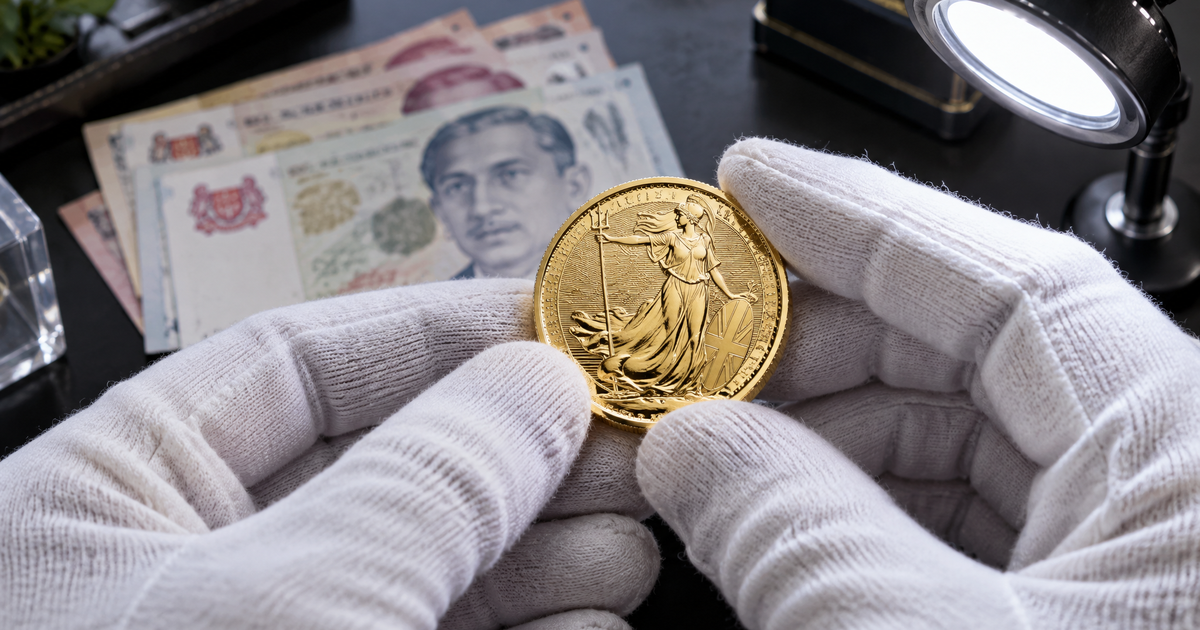
That 1 oz Britannia gold coin is still my go-to if I want something liquid and universally accepted. The silver Kangaroo is fun to hold but check that spread lah — it stings when you need to sell fast! Platinum premiums are not as bad as before, but still, watch out for the liquidity trick.
My Actual Buying Process (and What I’d Do Differently)
I’ve refined this over more than a decade, after some really “why did I do that?” moments:
- • - I always set aside 5-10% “just in case” cash — don’t lock in everything at once. Once, I dumped all my spare cash into bullion and then had to sell urgently. Lost about 4% on the round trip. Stupid mistake.
- • - Don’t walk into the shop blind. Use each dealer’s site to compare not just price, but also buyback. Sometimes a fancy deal is only cheap at first glance.
- • - My first big order, I queued for an hour at a major dealer, then got told my coins were “in transit”. Now, I always confirm stock status online before heading down.
- • - A few years ago I got lured in by a “free gift” offer — only to discover the coin itself was $40 over fair market. Learn from me.
- • - I always eyeball the coins at pickup. Once I got a silver bar with a weird ding. Dealer swapped it out immediately, but if I hadn’t checked...
And don’t forget, MAS has some pretty good guidelines on regulated dealers — worth a skim.
Storage, Delivery, and Selling — The Unsexy Details
Everyone loves to talk about their “stack”, but nobody talks about where to put it. I made the rookie mistake of shoving everything in a normal safe at home. Not ideal, unless your doors are really solid and your insurance covers it. Now, I use allocated storage at the dealer for bigger orders — not the cheapest, but peace of mind.
Reselling? If you bought a mainstream coin, most dealers buy back on the spot, but prepare to show ID and wait a day or two for funds. If you bought something exotic or a high-premium “collectable”, you might be stuck waiting for a private buyer, or end up selling below spot. This is why I warn everyone about chasing “limited edition” stuff unless you genuinely love the design.
If you want a more analytical approach to macro factors, I covered it in my practical guide to judging economic factors before buying bullion. Not every rally is worth buying into.
Honestly, the moment you hold that first gold coin in your hand — or see your first fat bar lined up — it’ll all make sense. But don’t make it harder (or pricier) than it needs to be, lah.