Singapore’s Platinum Scene in 2026: Market Trends, Pricing & GST Rules
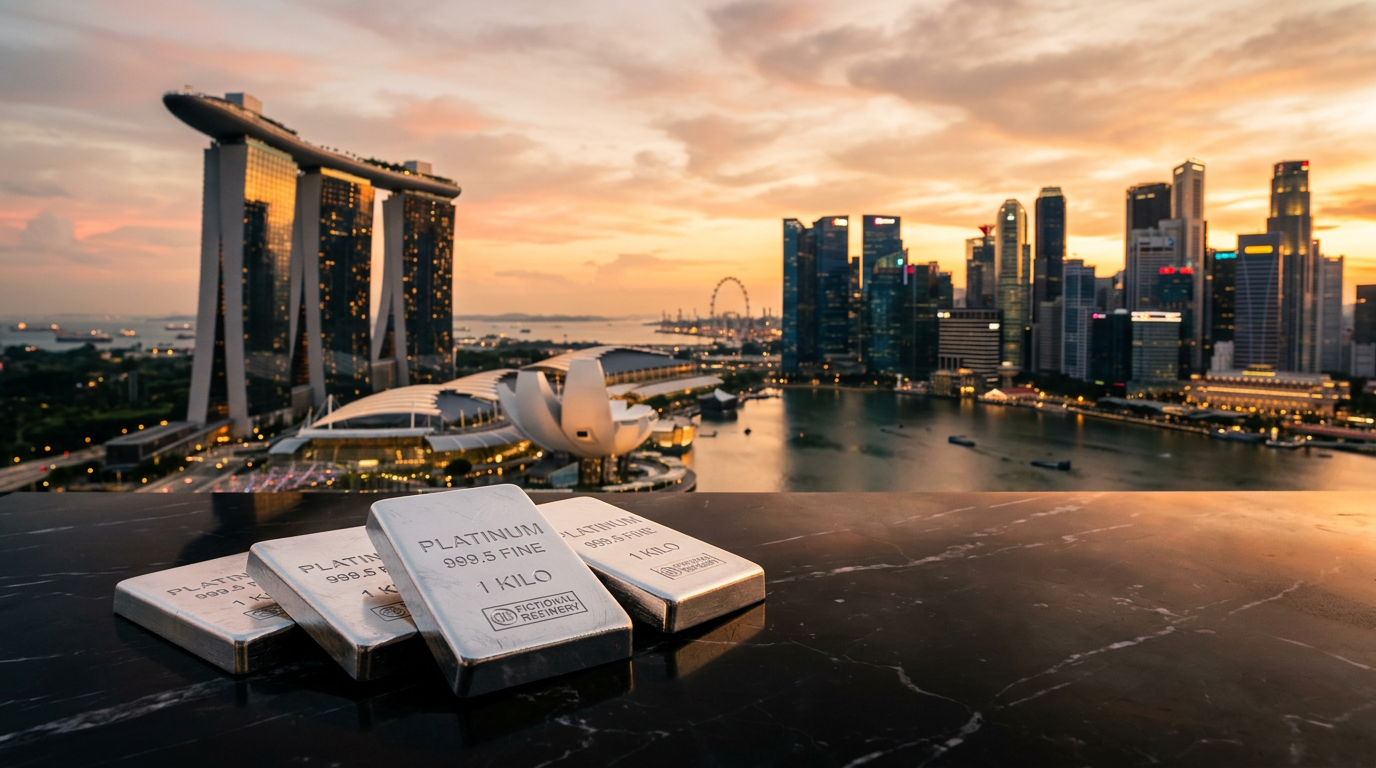
Key Takeaways
- Platinum is still niche here, but the GST quirks mean you really need to plan before buying.
- Spot and retail prices in Singapore can differ wildly — watch the premiums, they’re not standard like gold.
- If you want investment-grade platinum (no GST!), you’re mostly stuck with bars, not coins.
- Platinum’s price swings are even more dramatic than gold’s in 2026, which is both a risk and an opportunity.
- Vetting your dealer is extra important for platinum, since product range and transparency are so patchy.
Singapore Platinum: Still a Niche, Or Ready for Prime Time?
Platinum always gets second billing next to gold and even silver. I’ve noticed it for years — the display cabinets in Singapore bullion shops will have rows of gold, a sprinkle of silver, then maybe one lonely platinum bar tucked in a corner. Even online platforms like BullionStar (which I use a fair bit — referral link if you want to compare for yourself) tend to have far fewer options for platinum.
But here’s the kicker. Recently, I’ve seen more Singaporeans poking around for platinum, especially with gold’s price going a bit bonkers in early 2026. Whether it’s a genuine diversification play or just FOMO, the demand is inching up. Even some mainstream financial media have started mumbling about the “platinum opportunity” again.
How Is Platinum Actually Priced in Singapore?
Spot Price vs. What You’ll Really Pay
Unless you’re trading futures (which — honestly — most retail stackers aren’t), you’re working with the “physical spot” price plus a dealer’s premium. And this is where platinum really diverges from gold.
- •Gold premiums are usually tight and predictable.
- •Platinum premiums can be all over the place. Sometimes you find a premium as low as 5%, other days it’s closer to 15% — and don’t get me started on coins, which are nearly always more expensive per gram than bars.
Here’s a quick table from this week’s price checks between two local dealers and one regional online player. These are for recognisable 1kg platinum bars, best-case spot quotes from Monday’s morning session:
| Dealer | Spot Price (SGD/oz) | Retail Price (SGD/oz) | Implied Premium | GST Included? |
|---|---|---|---|---|
| Dealer A | $1,520 | $1,740 | 14.5% | No |
| Dealer B | $1,525 | $1,780 | 16.7% | No |
| Regional Online | $1,522 | $1,750 | 15.0% | Yes |
(Table above: The “GST included?” column matters more than you think. I’ll get to that in a sec.)
Why Are The Premiums So Big?
It’s simple, but annoying: low volume and higher storage/transport costs for platinum versus gold. Plus, Singapore’s GST regime is still a wildcard if you’re not sharp about what you buy.
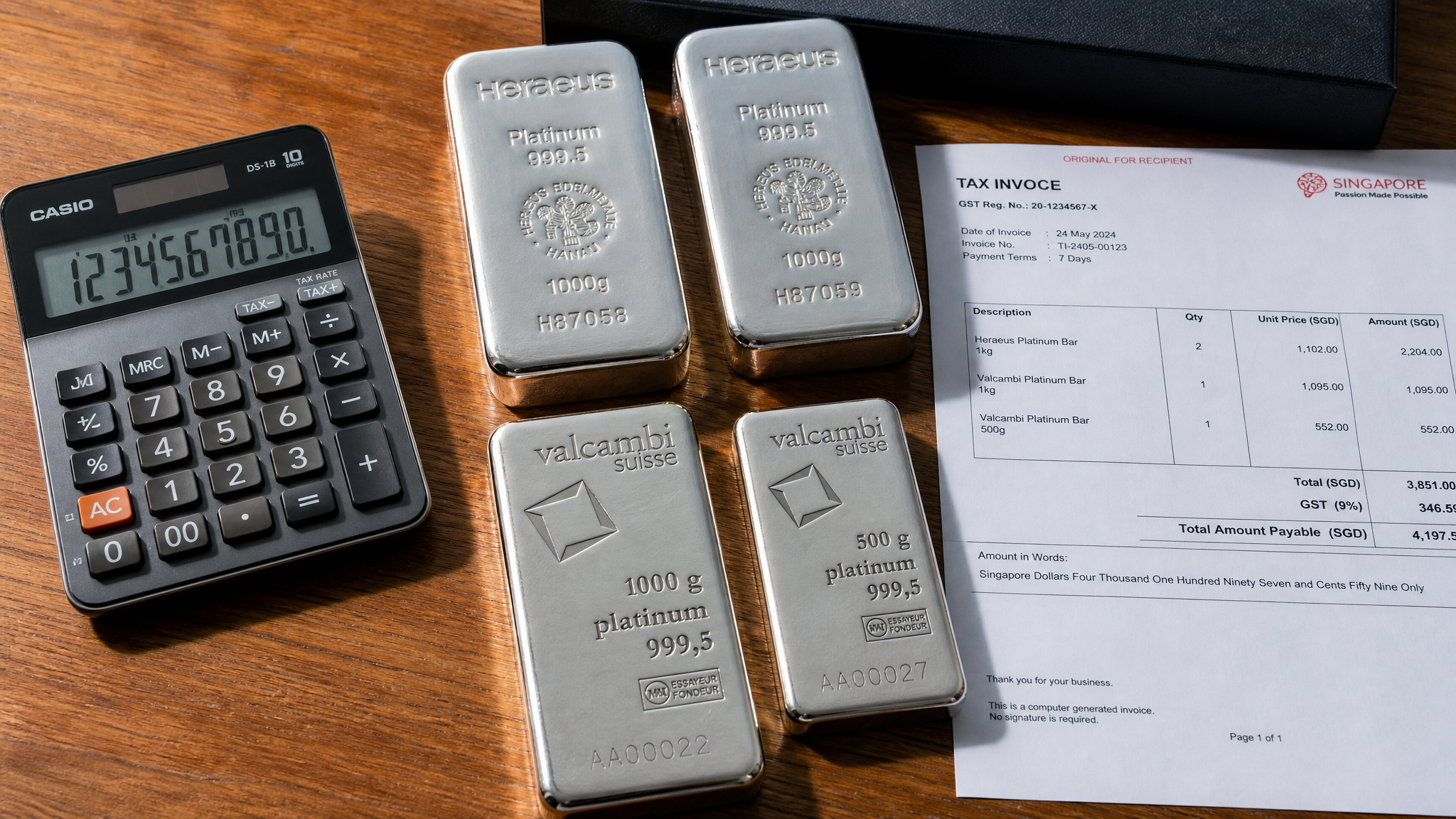
If you want investment-grade bars, you’ll mostly see Heraeus 1000g Platinum Bar or maybe even a chunkier Heraeus 114.289 oz Platinum Bar popping up as the lowest-premium choices. (Coins and smaller bars tend to get whacked by GST, which…yeah, hard pass for me.)
GST on Platinum: Why It Still Trips Up Buyers
Okay, this is honestly the number one thing I see beginners tripped up by. GST on platinum in Singapore is not nearly as simple as gold or certain silver products. The quick and dirty:
- •Only investment-grade platinum bars (that meet minimum fineness and are produced by a recognised refiner) are exempt from GST. Coins? Most are not GST-free.
- •If you buy the wrong product, you can be stuck paying 9% GST — and you won’t get it back at resale.
- •Reference: Don’t take my word for it. Check the IRAS GST Guide/specific-business-sectors/precious-metals) — it’s borderline bedtime reading, but crucial if you’re serious.
This is why I bang on about sticking to bars from refiners on the “approved” list. Even then, double-check the dealer’s invoice for GST breakdowns. Don’t be shy — ask them point-blank before you pay. A couple of my friends got caught out with obscure platinum coins and, ouch, that 9% adds up.
Best Ways to Buy Platinum in Singapore This Year
Physical Bars: The Low-GST Route
I still maintain that bars are the “safest” way to go in Singapore if you want to avoid tax issues. Heraeus and Valcambi are both solid names. I tend to stick with 100-1000g sizes because they strike a balance between liquidity and premiums. Those super-chunky bars look cool but honestly, try selling one on Carousell and see how few buyers you get. Not fun.
Smaller bars (like 50g or 1 oz) can be okay if you’re gifting or want flexibility, but don’t expect a tight buy/sell spread. That’s where the premium and sometimes GST can creep in.
Coins, Rounds & Oddballs
Here’s where it gets tricky. I’ve seen more platinum coins offered by some shops this year, but many fail the GST-free test. The IRAS GST Guide/specific-business-sectors/precious-metals) has the full details, but if you want my blunt take — I find most platinum coins here expensive, illiquid, and just not worth the fuss unless you’re a hardcore collector. (And if you’re thinking numismatics, might as well check my thoughts on limited edition coins as investments).
Storage & Security
One thing I underestimated at first: platinum really is lighter for its value, but not negligible. If you’re going to store five or more kilos, safe deposit boxes are still the gold (okay, platinum) standard. Some local dealers will include basic storage in their pricing, but I always double-check what’s insured, and what’s just “stored”.
If you’re curious how I actually pick which dealer to trust, I recently shared my dealer vetting process for precious metals in Singapore. Not gonna lie, a few shops here still treat platinum as an afterthought. You want someone who actually knows the difference between, say, a sovereign mint bar and a random smelter slug.
Does Platinum Even Make Sense for Singapore Stackers?
I get this question a lot, especially this year with platinum swinging so wildly (it dropped below $850/oz in late 2025, then bounced almost 90% since then). Here’s my two cents:
- •If you’re purely after “safe haven” behaviour, platinum is less stable than gold. It’s more of a speculative or diversification play.
- •Liquidity is improving, but you’ll get a faster/easier exit with gold or even silver.
- •That said, if you’re comfortable watching price swings and want to bet on industrial demand or environmental trends, platinum has potential. The key is to avoid overpaying on taxes and premiums upfront, or you’ll be playing catch-up for years.
For reference, MAS regulations don’t really single platinum out versus gold and silver, but if you want to see official treatment, MAS spells it out neatly in their guidelines for bullion dealers.
If you just want my bottom line: platinum is fun as a “spice” in your stack, but don’t let FOMO push you into overpaying or buying the wrong bar. Timing isn’t everything, but if you’re curious about how I navigate price dips, see my deep dive on timing precious metal buys in Singapore.
Sometimes I still wonder if I’m being too conservative, but for now the playbook stays the same — buy the right GST-free bar, at a reasonable premium, from a dealer you actually trust. If the platinum price moonshots, bonus. If not, at least you didn’t pay through the nose for “collectability” that doesn’t exist.
Some days I think platinum will always be the hipster’s metal in Singapore. But if the crowd ever catches on, at least you’ll be ready — and not caught out by GST nonsense or sticker shock on resale.