Singapore Showdown: Platinum Coin vs Bar—My Practical Buyer's Guide

Key Takeaways
- I find platinum bars usually cheaper per gram, but coins have hidden advantages for quick resale (especially in Singapore).
- Coins—think Maple Leaf or Philharmonic—bring better liquidity and are easier to recognise, but the premiums can sting.
- Go for LBMA-certified brands, especially for bars—don’t risk a dodgy source. Trust me, the peace of mind is worth it.
- Platinum’s fancy, but storage and resale aren’t always straightforward—my own storage missteps cost me real money.
Why the Platinum Debate Matters in 2026
I’ll be honest: for years, platinum felt like the posh cousin of gold—nice to look at, but a bit impractical for everyday stacking. But things changed. The price dip in early 2025 and a few juicy headlines (you probably saw them too) meant more friends were WhatsApping me: “Should I buy platinum now? Coin or bar better ah?”Personally, I used to favour coins just because they fit neatly with my existing gold and silver stacks (and I’m a sucker for a nice design). But after buying my first chunky bar and running into a buyer’s cold shoulder, I had to rethink. Now, the platinum showdown isn’t just hype—it can make a real difference to your wallet.
How Platinum Coins and Bars Actually Stack Up
Coins: The Recognised, Liquid Option
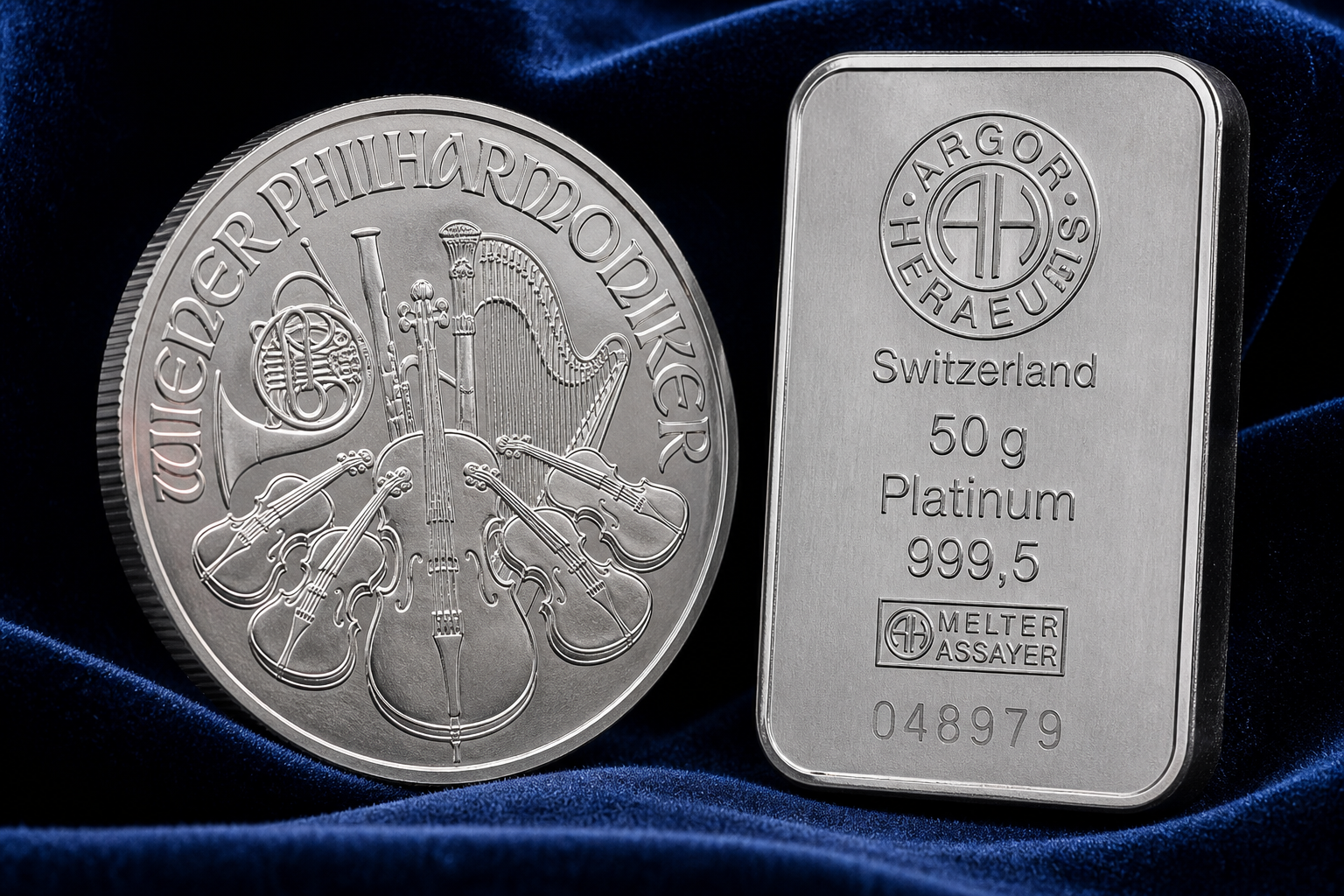
If you ask any dealer in Singapore what’s easier to cash out in a pinch, 90% will say coins. The Austrian Mint 1 oz Philharmonic 2026 Platinum Coin or the Canadian Maple Leaf are like the “common currency” of platinum. They’re globally recognised, carry security features, and you rarely have to argue over authenticity.But coins come in smaller denominations. They always cost a bit more per gram because you’re paying for that extra minting, packaging, and sometimes even marketing. The upside is, if spot prices spike and you want to cash out small amounts (like what happened in that wild gold price episode last year), coins make it easy.
Bars: Value, But with Caveats
Bars scream “value”—lower premiums, bigger chunks, all business. If you’re stacking for sheer weight, they’re hard to beat. A classic like the Argor-Heraeus 50g Platinum Bar gets you more platinum per dollar, plain and simple.Here’s the catch: with platinum, there’s a little less trust in the bar market compared to gold. Not all Singapore buyers are comfortable with off-brand bars, and you’d better have proof it’s real. I learnt this when I tried selling an obscure brand at a local dealer—they basically lowballed me into oblivion. Stick to LBMA Good Delivery or recognised names, or expect headaches.
Crunching the Numbers: Coin vs Bar Price Breakdown
Let’s put some money where my mouth is. Here’s a quick comparison I did for actual buy prices (inclusive of premiums) from top Singapore dealers in July 2026. Yes, prices jump around, but this gives you the flavour:| Product | Approx. Price (SGD) | Premium over Spot (%) |
|---|---|---|
| 1 oz Platinum Maple Leaf Coin | $1,720 | 7.0% |
| 1 oz Philharmonic 2026 Platinum Coin | $1,710 | 6.3% |
| 50g Argor-Heraeus Platinum Bar | $2,730 | 4.8% |
| 10g Random LBMA Platinum Bar | $570 | 8.1% |
*Prices as at July 2026 from three major Singapore dealers; for illustration only.
On paper, that 50g bar looks sweet. Lower premium, more platinum. But smaller bars (10g, 20g) sometimes have WORSE premiums than coins. Just like with gold, coins closer to “retail” sizes (1 oz) carry a liquidity and recognition tax.
Liquidity, Storage & Selling: My Real-Life Experiences
Trying to Sell—The Annoying Reality
Here’s where things get real. I once tried to offload a platinum bar during a market run-up, and…well, it wasn’t pretty. The dealer wanted to test it, check serials, and still offered less than spot. Meanwhile, another chap with a Philharmonic coin next to me got spot no questions asked. Painful lesson.If you think about it, Singapore’s retail buyers trust coins more—especially internationally recognised ones. Dealers move coins with less risk. Bars, unless straight from a famous refinery or still sealed, get extra scrutiny. Not all buyers care about pretty packaging, but watch out if you misplace that cert card!
Storage Issues—The Details Nobody Tells You
Funny thing: bars take up less space for the same weight (especially those big, flat 50g ones). But unless you’re keeping them at home (which I don’t recommend) storage facilities sometimes charge more to store coins in capsules versus bars in sealed bags. I found this out when UOB’s vault charged per “item”—my bars worked out slightly cheaper to store in bulk.If you’re stacking platinum alongside your gold and silver, mixing coins and bars also messes up your inventory tracking—at least for a messy guy like me. I now keep a spreadsheet and label everything at deposit, otherwise too easy to forget which batch is which, lah.
My Foolproof Process for Picking the Right Platinum Format
I don’t mess around with random speculation anymore. Here’s my checklist—call it a hard-won flowchart:- • - For flipping during price spikes, coins like the Royal Canadian Mint 1/10 oz Maple Leaf Platinum Coin are the MVPs—easy to move in smaller amounts, quickly recognised.
- • - For long-term holding, bars edge ahead on cost if you choose top-tier brands. Don’t get greedy and buy obscure refineries just for that 0.2% better price.
- • - If you're travelling, moving to Australia, or just paranoid, stick to coins or LBMA-certified bars. Don’t believe me? Have a look at Perth Mint’s bullion product standards.
- • - For bigger investments, a few bars are way easier to stack and insure. Coins look pretty and make nice gifts, sure—but if your stack grows above 500g, the logistics add up.
- • - I find coins much more presentable. My uncle gave me a Philharmonic last CNY, and the family oohed and aahed—nobody reacts that way to a bar.
Still not sure? My own buying process involves comparing a dealer’s price and buyback policies (seriously, read the fine print). I usually start with BullionStar—their website is the only one that doesn’t make me want to pull my hair out, and the transparency helps me shortlist before shopping around.
For a step-by-step approach to buying physical, I wrote up my method here: How I Actually Buy Physical Gold in Singapore: Step by Step. While it’s gold-focused, almost everything applies to platinum too—especially the checks on authenticity and storage.
Oh, and if you’re tempted by “hype” for platinum coins, you might want to check my thoughts on why the platinum bullion hype in Singapore is completely overblown. Not every trend is a slam dunk, lor.