Why Limited Edition Coins Aren't the Best Numismatic Investment
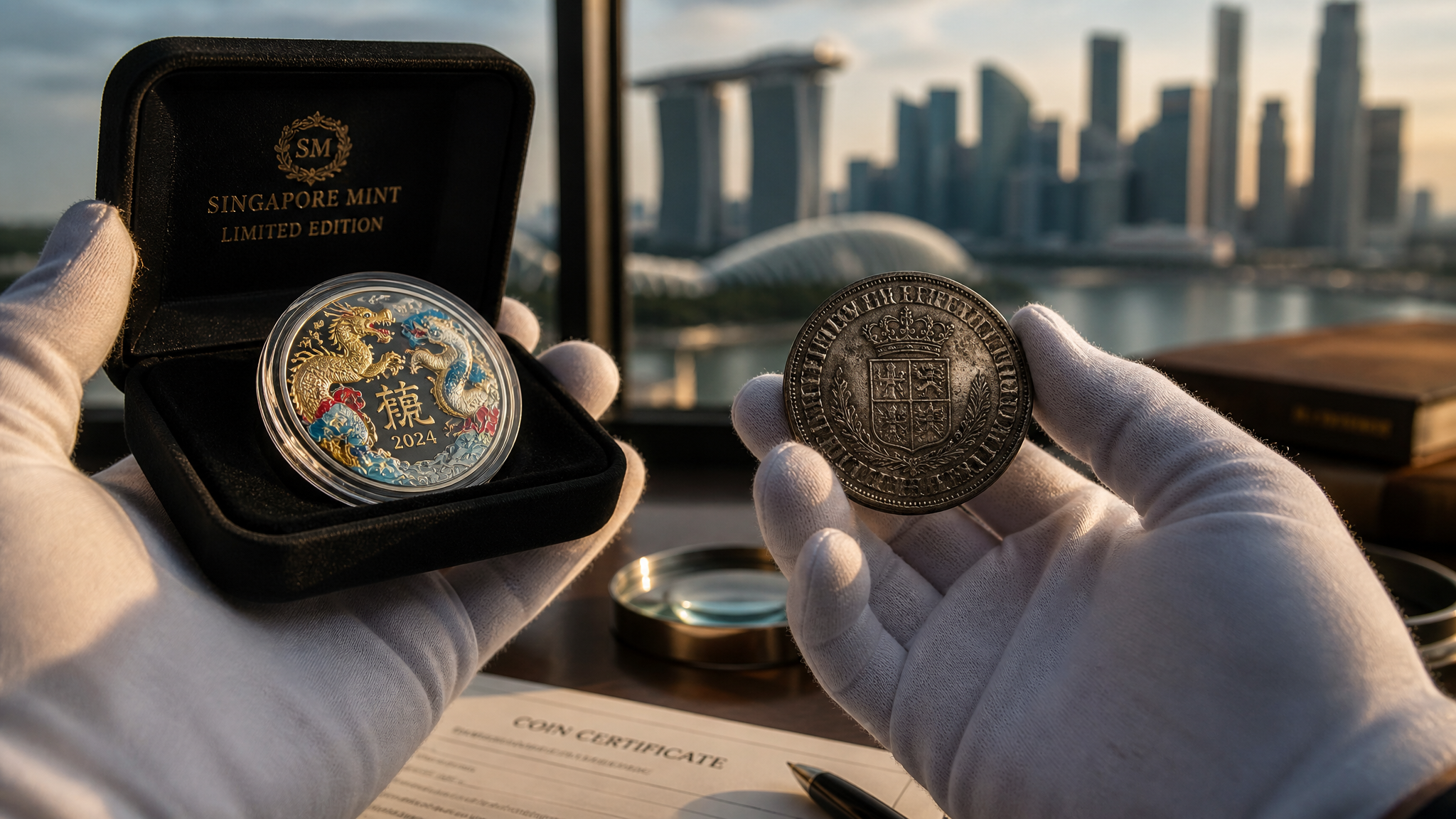
After more than a decade in this market, I’ve learnt the hard way: fancy packaging and restrictive mintage don't guarantee lasting value.
Key Takeaways
- Most "limited edition" coins actually underperform versus classic bullion and historic numismatics.
- Scarcity only matters when collectors genuinely care about the coin’s story, not just the mintage number.
- True value comes from sustained demand — not hype or the latest animal on a shiny proof.
- If you want to invest (not just collect), focus on coins with global recognition and deep liquidity.
- I've found more joy (and profit) in classics like Britannias and Philharmonics than any flashy release.
The Illusion of Scarcity: Why Limited Editions Fool Collectors
Let’s talk about the magic words: "limited mintage". New collectors get caught up thinking that because something is scarce, it must get more valuable. And the mints know this game—just check out any major Perth Mint or Royal Mint calendar. Every year, there’s a new lunar, animal, or superhero with a fancy box and tight mintage cap.
But I’ve been watching these trends for years. Most exciting new releases flatline in price once the initial hype dies down. Sure, some sell out on launch, but just try reselling a "limited" unicorn coin a year later, unless it’s got a massive cult following. In Singapore, I see dealers unwilling to pay any premium for most of these — unless you’ve got something genuinely historic or globally beloved.
Remember the 2020s surge of coloured proof coins? Everyone was speculating, hoping to flip for 2x, 3x. But real buyers are few and far between. A lot of these coins end up in bargain bins at local shops, or worse, gathering dust in someone’s drawer.
Crunching the Numbers: Price vs Value Over Time
Now, I’m not just talking feelings. Let’s look at what actually happens to limited edition coins versus classic bullion and old-world numismatics over a few years. This is real data from what I've tracked at bullion shops and online platforms since 2019:
| Coin Type | Launch Premium (% over spot) | Market Value 3 Years Later (% over spot) | Dealer Buyback (% over spot) |
|---|---|---|---|
| Perth Mint Lunar Proof (2022) | 35% | 10% | 3% |
| Royal Mint Queen Beasts (2021, limited) | 30% | 14% | 4% |
| Austrian Philharmonic (standard bullion) | 5% | 7% | 5% |
| 1920s Straits Settlements Silver Dollar | 200% | 220% | 180% |
Here’s the punchline: the classics hold up. The so-called "limited" stuff—unless it crosses into cult status (think certain Lunar Gold Dragons)—tends to lose steam fast. The only time I saw a modern release skyrocket was when there was unexpected demand from a specific collector group, not because of low mintage alone.
What Actually Holds Value in Collector Numismatics?
What I've found, after all these years (and a few painful lessons):
- •Story beats scarcity. If a coin connects with a larger historic moment, cultural symbol, or has cross-border demand, that’s actual value. A Queen Victoria era crown, or the original Austrian 1 oz Philharmonic 2016 Platinum Coin, is recognised worldwide — not just by a niche group. This is why even regular gold Britannias and stable old silver Maples keep their shine, literally and figuratively. If you haven’t already, I did a whole comparison on Britannia vs Philharmonic: My Favourite Gold & Platinum Coins Compared, and it’s pretty clear that globally traded coins offer more staying power.
- •Liquidity is king. Try selling a limited edition proof at market price—most times, you’ll have to take a hit. Dealers know demand dries up fast unless it’s something truly special.
- •Condition matters… a lot. Numismatics is brutal—the tiniest nick kills value. That’s why I prefer coins designed to circulate, not just sit in slabs. And if you’re in Singapore, humidity is a real enemy. Even so-called "ultra-limited" proofs won’t save you if they start to tarnish.
I won’t pretend I don’t get tempted by new releases (especially the crazier Perth Mint designs, lah). But experience has taught me: don’t chase every FOMO drop. Instead, learn how to judge a coin’s deeper appeal — something I discussed in my guide on What Makes a Precious Metal 'Investment-Grade' in Singapore?.
Where Do I Actually Put My Collector Money?
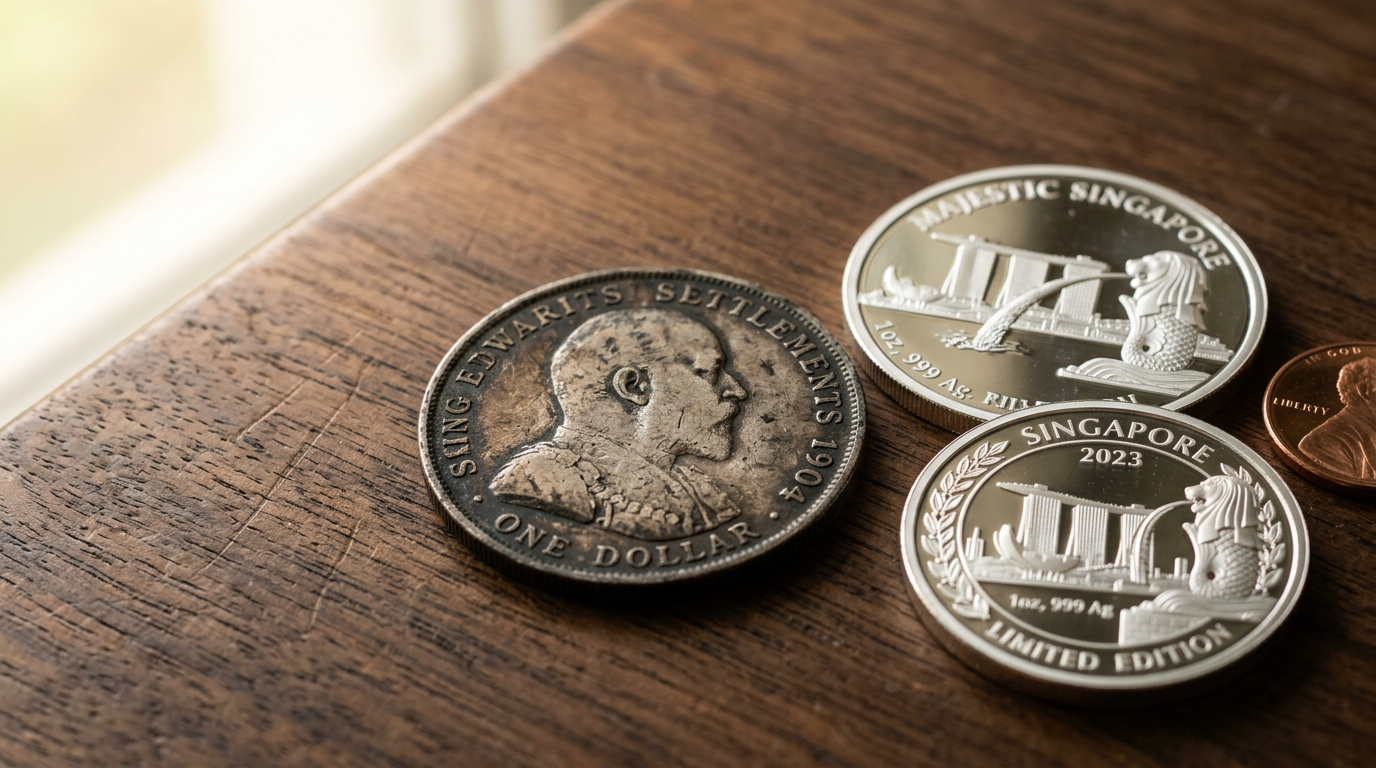
Let’s get real. If you want something fun, by all means pick up a dragon or superhero coin. But for investment, stick to coins with real world liquidity and recognition. Philharmonics, Britannias, older Straits Settlements pieces, and world-renowned pieces from established mints.
Speaking of which, I actually bought a Perth Mint 1 oz Lunar Dragon 2024 Platinum Coin last year — not for flipping, but simply because I love the design. I know I’m unlikely to ever get a premium if I try to sell it to a dealer, but that's fine by me. If you want to speculate, at least go in with your eyes open.
So, What Should Singaporean Collectors Actually Do?
If you’re collecting for joy, go wild. But if you want a store of value, stop believing every "limited" mintage is a future goldmine. Build your stack with coins that have true market depth, historical appeal, and can be sold on a whim – not just in local groups, but to buyers worldwide.
If you’re struggling to find a trustworthy dealer, check out my brutally honest guide: How I Actually Vet Precious Metals Dealers in Singapore (2026 Guide). I never buy anything hyped unless I’m sure I can easily resell through BullionStar or a major local dealer.
Final advice: Don’t let the fancy boxes and “strictly limited” numbers fool you. I’ve made better returns (and slept better at night, honestly) by buying globally recognised issues and just a sprinkling of fun, personal pieces for the shelf.
Lah, if you get lucky and land a true rarity, good for you. But don’t build your whole numismatic plan on hope and hype.