Gold Mine Output Stalls in 2026 Despite Record Prices, Supply Remains Tight
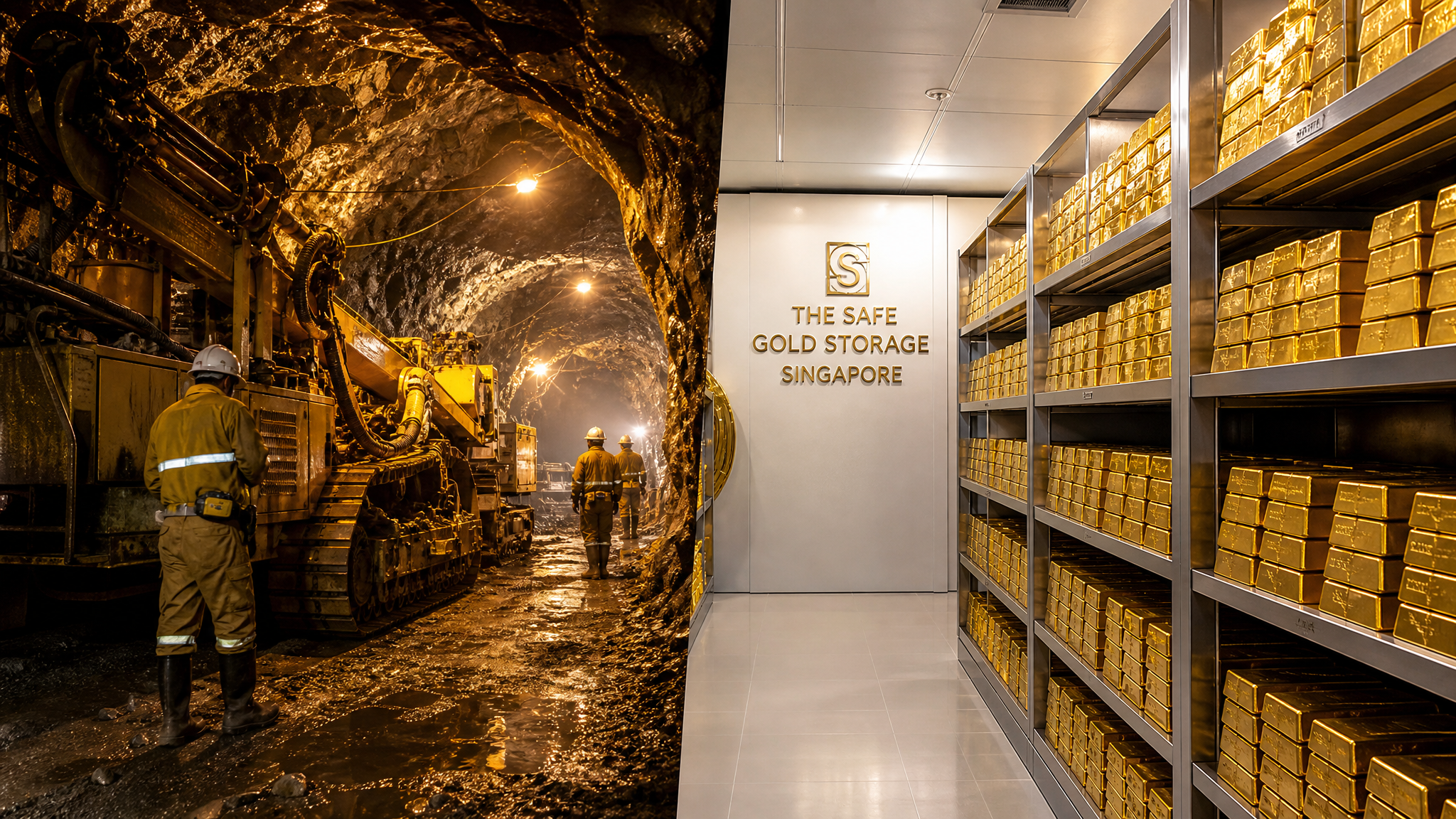
Key Takeaways
- Gold mine production is flat in 2026 even as prices hit all-time highs.
- Structural issues, not just market cycles, explain why supply stays “stuck”.
- Tight mine supply underpins the bullish long-term case for gold.
- For Singapore buyers, this adds to the argument for physical gold and reliable storage.
Gold Prices Soar, But Mine Output Goes Nowhere
It’s not every year we see gold smashing through record levels. Yet for all the headlines about price action, gold mine supply has barely budged, based on 2026 data. Even with gold rallying hard — and "/product/gold" seeing strong investor demand — new supply from mines hasn’t followed suit.This isn’t just a blip. Over the past several years, global mine supply has plateaued, lagging behind rising prices. It’s a sharp contrast to other commodities where higher prices usually bring new supply quickly. As someone who’s watched the gold market for over a decade, I find this inelasticity striking. You can read more about the broader impacts on Singapore’s bullion playbook at "/blog/global-inflation-shifts-singapore-bullion-strategy".
Structural Constraints: Why Gold Supply Can’t Catch Up
So why can’t gold mine output ramp up just because prices are high? The answer lies in structural factors. Unlike metals such as copper or iron ore, gold projects take years—sometimes over a decade—to move from discovery to production. Environmental clearance, permitting delays, resource depletion, and higher input costs all slow things down.Here’s how gold’s supply response compares to other metals:
| Commodity | Typical Project Lead Time | Output Response to Price |
|---|---|---|
| Gold | 7-15 years | Slow/inelastic |
| Copper | 5-10 years | Moderate |
| Iron Ore | 3-7 years | Fast |
The result: Even this year’s price surge hasn’t enticed a flood of new supply. The World Gold Council and industry analysts highlight that production is “structurally capped,” not just cyclically slow.
What This Means for Singapore Buyers
For those of us in Singapore, the implications are clear. With gold supply stuck and demand (especially from central banks and Asian investors) still firm, the fundamental tightness could keep supporting prices. I’ve seen more Singaporeans turning to physical bullion — not just ETFs — as they look for real, scarce assets. If you’re just starting out, check my straight-talking guide at "/blog/is-physical-gold-best-beginner-singapore".For portfolio builders, supply inelasticity isn’t just a footnote. It’s central to gold’s long-term story. If you want to see what’s available, the selection at BullionStar makes comparison shopping pretty easy lah. And if platinum is on your radar, you might find some insights at "/product/platinum" too.