AI Data Centre Boom Doubles AMD Q2 Revenue as Silver Demand Soars in 2026
Key Takeaways
- AMD’s Q2 data centre revenue doubled year-on-year off the back of AI infrastructure spending.
- Hyperscalers are pouring US$725B into new data centres — a historic high for tech capex.
- Silver is now officially designated a critical mineral, reflecting rising strategic importance.
- The global silver supply deficit keeps widening, raising questions about availability for industrial and investment use.
AI Gets Physical: Data Centres Fuel Silver Shortages
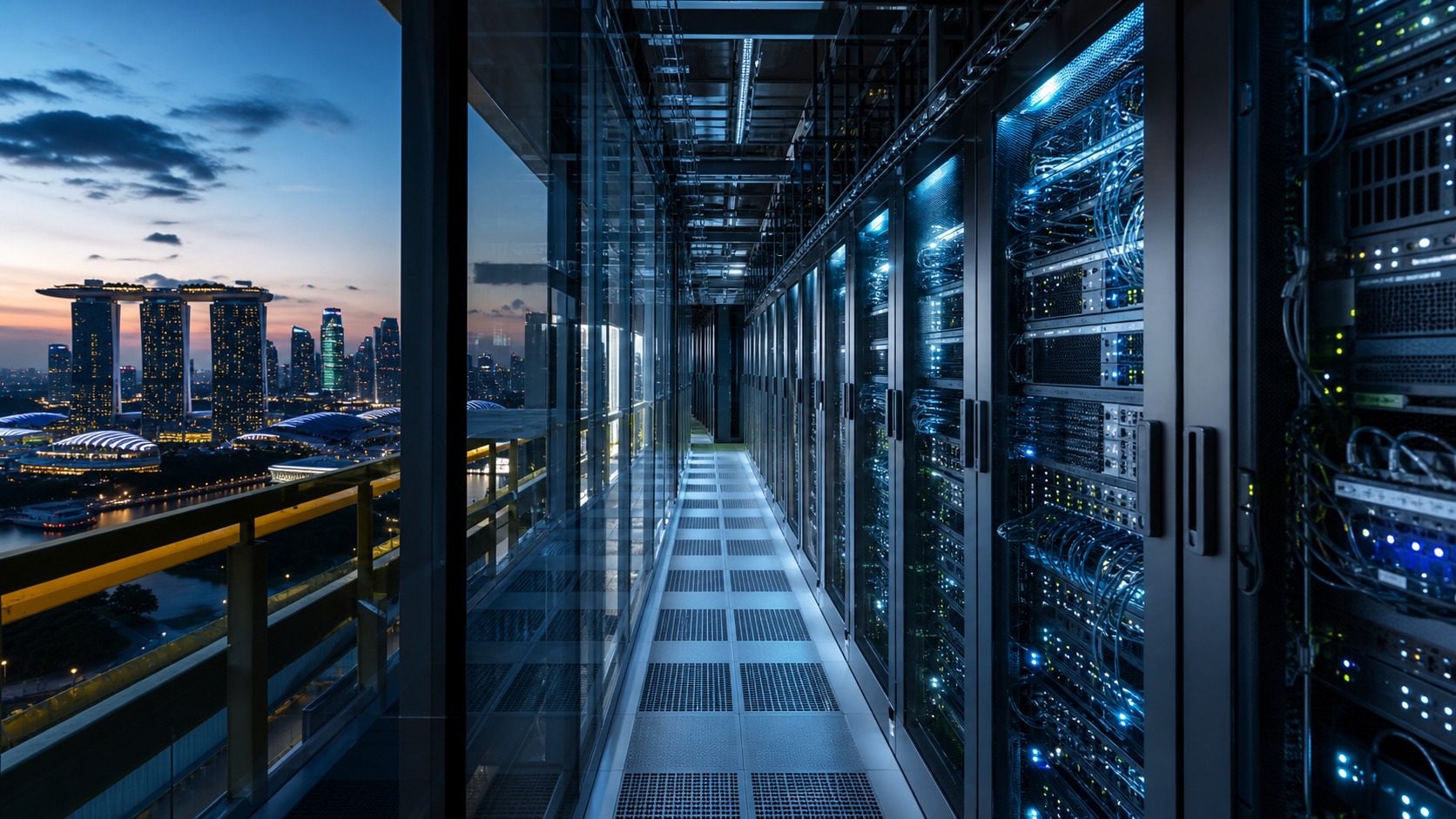
The ongoing build-out of AI data centres is translating directly to hard metal demand. According to AMD’s latest quarterly results, its data centre revenue for Q2 2026 has doubled compared to last year, thanks to hyperscalers racing to deploy more AI compute capacity. This is no small trend — the hyperscaler giants (think Microsoft, Google, Amazon) are collectively investing US$725 billion in capital expenditure this year, according to sector disclosures.Why does this matter for silver? Data centre hardware — particularly high-efficiency switches and servers — depends heavily on silver for its unmatched electrical conductivity. As a metal enthusiast, I’ve been watching this industrial trend quietly drain inventories. Back when silver was mostly a jewellery and coin affair, supply patterns were predictable. Now, with AI workloads skyrocketing and data centres mushrooming from Silicon Valley to Johor, silver is getting locked into infrastructure at an unprecedented scale.
I’ve seen a lot of hype cycles, but this one is very real — and it’s hitting the physical bullion market. For Singapore buyers, it’s a good time to review silver product inventories (see /product/silver), as premiums and lead-times can change fast.
A Supply Crunch Years in the Making
The World Gold Council and other analysts have been flagging structural deficits in the silver market for years, but 2026 marks another escalation. This year, silver was formally designated a critical mineral by several major governments, reflecting rising concern about securing future supply for strategic industries.Here’s how the trend looks:
| Year | Global Silver Supply (Moz) | Global Demand (Moz) | Supply Deficit (Moz) |
|---|---|---|---|
| 2024 | 995 | 1,093 | -98 |
| 2025 | 990 | 1,120 | -130 |
| 2026 | 982 | 1,160 | -178 |
(Source: sector analysts; see Sources)
The deficit isn’t just theoretical — you can see it in longer shipping windows and rising premiums at both local dealers and major platforms like BullionStar. As someone who tries to keep a balanced mix of gold and silver, I’ve noticed physical silver supply is now more prone to bottlenecks than gold or even platinum. (If you’re curious about portfolio approaches in 2026, I wrote up my own breakdown at /blog/precious-metals-portfolio-how-to-singapore-2026.)
What This Means for Buyers in Asia
With Asia’s digital economy in full swing, the regional build-out of AI infrastructure is actually feeding back into the bullion market in unexpected ways. Silver’s physical utility isn’t just abstract anymore — it’s an urgent, price-moving factor. For those who remember the platinum shortages in hybrid vehicles (see: /news/platinum-deficit-widens-south-africa-hybrid-vehicles-2026), the current silver squeeze feels eerily familiar.For buyers in Singapore, this new environment means keeping a closer eye on available stock and considering allocation adjustments. The official recognition of silver as a critical mineral suggests policy-driven stockpiling could intensify competition for physical supply. I’ll be watching for MAS and local vault responses, but for now, reviewing your position — whether bars, coins, or ETF — is wise. If you need a refresher on what’s available, check the latest product lists for silver, gold, and platinum.